
Winter is a magical season, but it can be harsh on your skin. Cold air, indoor heating, long hot showers, and even clothing choices can strip your skin of natural oils, leaving it dry, itchy, and irritated. Many people unknowingly make common skin care mistakes that worsen their skin condition. Reduced water intake, lack of outdoor activity, and exposure to harsh soaps or fragrances can further dehydrate the skin and trigger flare-ups of eczema, rashes, or other sensitivities. Neglecting to moisturize regularly, sitting too close to heaters, or wearing rough fabrics can weaken the skin barrier, making it more prone to redness, inflammation, and premature aging. Understanding these habits and making small adjustments can help keep your skin healthy, hydrated, and glowing throughout the winter season.
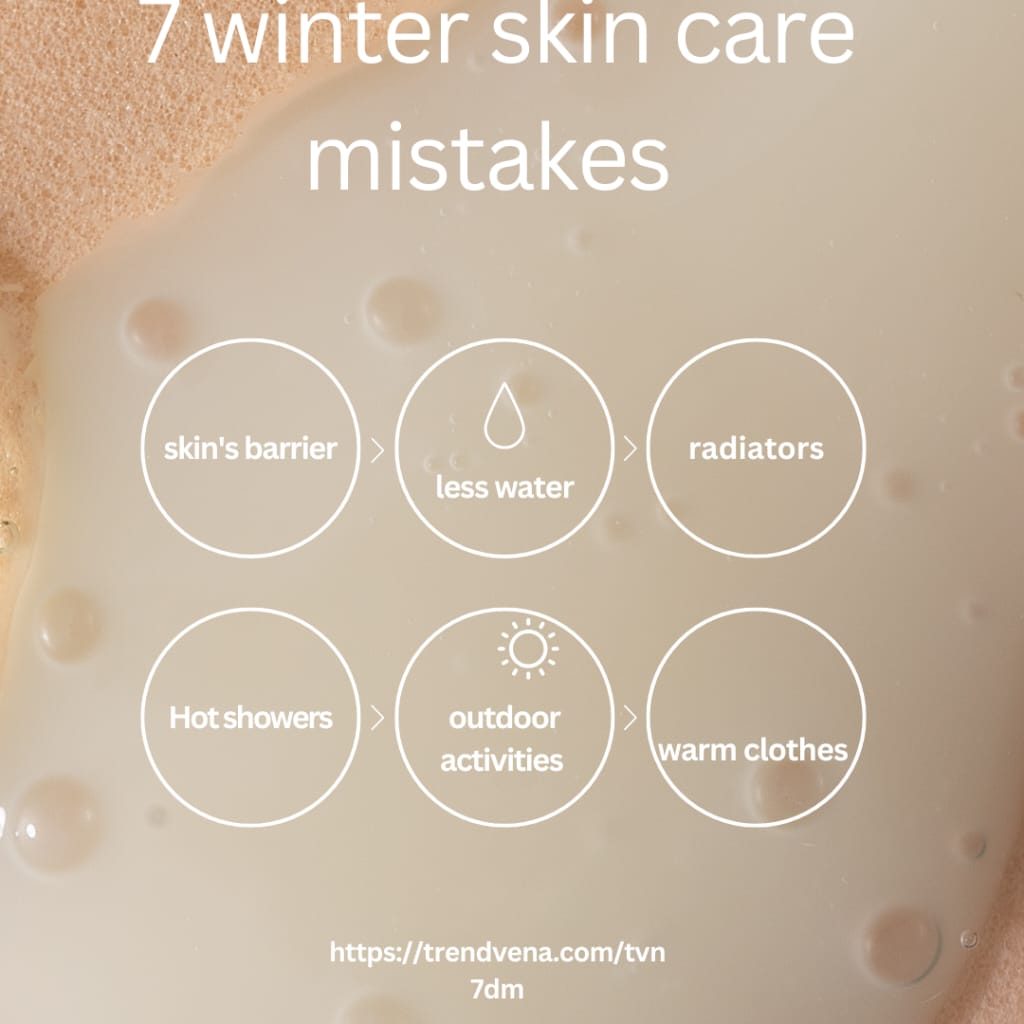
In this guide, we’ll explore the 7 winter skin care mistakes you should avoid, share tips for skin care for dry skin, and explain how to keep your skin healthy and glowing all season.
Here’s what you’ll learn:
The top 7 winter skin care mistakes people make
How to protect and hydrate skin during cold months
Practical tips for skin care for dry skin
How to prevent old allergies and dehydration in winter
1. Neglecting Your Skin’s Natural Barrier
Winter can be harsh on your skin, leaving it dry, sensitive, and prone to irritation if not properly cared for. One of the 7 winter skin care mistakes is neglecting the skin barrier, the outermost layer composed of cells and natural lipids that acts as a protective shield against pollutants, irritants, and water loss. When this barrier is weakened by harsh cleansers, over‑washing, or cold, dry air, the skin becomes flaky, tight, and more vulnerable to redness, inflammation, or even infections. Supporting your barrier is essential: use gentle, pH‑balanced cleansers, moisturize on slightly damp skin, and choose products containing ceramides, natural oils, or humectants such as hyaluronic acid.
Tips to Fix It:
Apply a rich moisturizer immediately after washing.
Use products with ceramides, fatty acids, or hyaluronic acid.
Don’t forget hands, elbows, knees, and the sides.
Pro Tip: Layer a hydrating serum under your moisturizer at night for extra protection.
2. Drinking Less Water

Many people drink less water in winter, relying primarily on tea, coffee, or soup. This is one of the 7 winter skin care mistakes that contribute to dry skin problems. In winter, dehydration is a major cause of skin dryness and dandruff. When the body does not receive enough water, it not only affects the skin but can also lead to other serious health issues. Over time, problems such as stomach disorders, ulcers, kidney issues, and even low blood pressure may begin to develop. Dehydration also makes the skin look dull, feel itchy, and become more sensitive to irritation. Drinking enough water in winter is just as important as in summer to keep your skin and overall health in good condition.
Tips:
Drink 6–8 glasses of water daily.
Eat water-rich foods, fruits, and vegetables such as oranges, cucumbers, carrots, and tomatoes
Alternate hot drinks with water to maintain proper hydration.
Pro Tip: Keep a water bottle handy to help you drink regularly.
3. How Heaters and Radiators Damage Your Skin
Prolonged exposure to heaters, radiators, or open fires is one of the 7 winter skin care mistakes that many people often overlook. Indoor heating dries out the air, stripping moisture from the skin and making it tight, flaky, and more prone to irritation. Sitting too close to heat sources can also accelerate water loss, weaken the skin barrier, and increase sensitivity, redness, or itchiness. Over time, this can worsen existing dryness, aggravate conditions like eczema, and make the skin more vulnerable to fine lines and premature aging. Even brief exposure to direct heat can dehydrate the skin if proper care isn’t taken.
Tips:
Use a humidifier in heated rooms to maintain air moisture.
Keep a safe distance from direct heat sources to prevent accelerated water loss from your skin.
Cover sensitive skin with soft fabrics, such as cotton or wool, to reduce direct heat exposure.
Pro Tip: Combine this with a proper cold-weather skin care routine for best results.
4. Hot Showers and Baths
Long, hot showers and baths may feel soothing during winter, but they are one of the 7 winter skin care mistakes that can seriously damage your skin and hair. Hot water strips away the skin’s natural oils, leaving it dry, tight, and more prone to irritation or redness. It can also weaken the skin barrier, making it harder for the skin to retain moisture and protect against environmental stressors. For hair, frequent hot showers can make strands frizzy, brittle, and more prone to split ends. Over time, this can worsen existing dryness, aggravate conditions like eczema, and make both skin and hair look dull and unhealthy.
Tips:
Use lukewarm water instead of hot.
Keep showers short (5–10 minutes).
Apply moisturizer immediately after drying.
Use gentle shampoos to protect hair.
Pro Tip: Add a few drops of almond or argan oil to damp skin for extra hydration.
5. Avoiding Exercise and Outdoor Activities
Staying inactive in winter is a common habit and one of the 7 winter skin care mistakes that can significantly impact your skin. Lack of movement reduces blood circulation, leaving the skin dull, dry, and less radiant. Limited exposure to sunlight not only lowers vitamin D levels but can also trigger skin flare-ups, worsen conditions like eczema or acne, and reduce the skin’s natural repair processes. Physical inactivity can slow lymphatic drainage, causing toxin buildup and puffiness in the skin. Additionally, exercise helps maintain hormonal balance, which supports healthy skin, hair, and nails. Even moderate indoor activity or short outdoor walks can stimulate circulation, promote a natural glow, and boost the immune system, keeping your skin resilient against winter dryness and environmental stressors.
Tips
Include indoor workouts, stretching, or yoga.
Take short outdoor walks for sunlight and fresh air.
Moisturize after physical activity to maintain hydration.
Keep your indoor environment ventilated to avoid stagnant air.
Pro Tip: Even 10–15 minutes of sun exposure improves circulation and overall skin health.
6. Wearing Warm Cloths That Absorb Moisture

Many people think heavy layers are enough to protect the skin during winter, but ignoring fabric choices is one of the 7 winter skin care mistakes that is often overlooked. Rough or synthetic fabrics, such as wool or polyester, can rub against the skin, strip natural oils, and cause dryness, irritation, or redness. Tight clothing can also trap sweat and moisture, leading to itchiness or flare-ups of conditions like eczema. Choosing soft, breathable fabrics next to the skin helps maintain hydration, reduces friction, and prevents irritation. Layering wisely and moisturizing before getting dressed helps keep your skin protected and nourished, even under heavy winter clothes.
Tips:
Wear soft, breathable fabrics like cotton or silk next to the skin.
Avoid tight-fitting layers that can trap sweat or cause friction.
Reapply moisturizer to areas exposed to rough clothing.
Pro Tip: Combine this habit with your cold-weather skin care routine for soft, hydrated skin under layers.
7. Ignoring Old Allergies
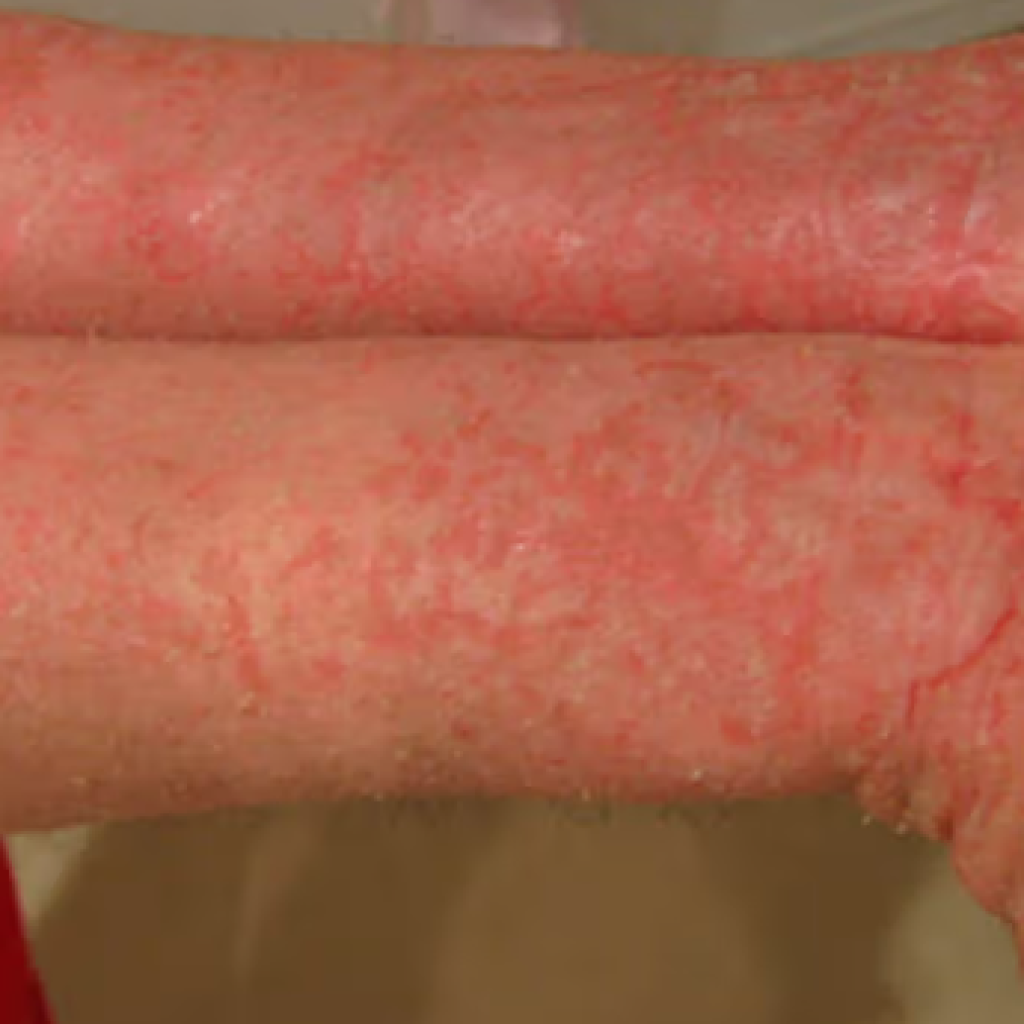
Dry air, cold temperatures, and indoor heating can trigger old allergy symptoms such as eczema, rashes, or itchy skin. Ignoring these flare-ups is one of the 7 winter skin care mistakes people often make. When left untreated, these conditions can worsen, leading to cracked, inflamed, or irritated skin. Cold weather can also weaken the skin barrier, making it more susceptible to environmental irritants and infections. In addition, over‑scrubbing or using harsh products can aggravate symptoms, while a lack of hydration, both internally and externally, can slow the skin’s healing process. Paying attention to these flare-ups early helps maintain healthy, resilient skin throughout the winter season.
Always use moisturizer after a bath and before sleeping to protect the skin barrier.
Keep indoor humidity levels optimal to reduce dryness.
Avoid harsh soaps or fragrances that worsen symptoms.
Pro Tip: Nightly moisturizing supports dry-skin care and allows your skin to repair overnight.
Extra Winter Skin Care Tips
Use Sunscreen: UV rays still harm skin in winter. Apply SPF 30+ on exposed areas.
Gentle Cleansers: Avoid harsh soaps that strip your skin of its natural oils.
Lip Care: Apply lip balm frequently.
Layer Clothing: Protect skin from cold wind.
Night Care: Apply night cream or oil for deep hydration.
Call to Action
Winter doesn’t have to mean dry, irritated, or itchy skin. Avoid the 7 winter skin care mistakes, follow these tips for dry skin care, and adopt a consistent cold-weather skin care routine. Start today, moisturize regularly, stay hydrated, and protect your skin from harsh weather to enjoy healthy, glowing skin all season!
FAQs
Q1: How often should I moisturize in winter?
A: At least twice daily, after bathing and before sleeping. Reapply to dry areas, such as the hands and elbows.
Q2: Can warm clothing make skin dry?
A: Yes. Wool and synthetic fabrics can rub off natural oils and absorb moisture, making skin dehydrated.
Q3: Are hot showers bad for winter skin?
A: Yes, hot water strips oils from skin and hair. Use lukewarm water for short showers.
Q4: How do I prevent old allergies from flaring in winter?
A: Use moisturizer after bathing and before sleeping, avoid harsh soaps, and maintain indoor humidity.
Q5: What is the best routine for the 7 winter skin care mistakes?
A: Hydrate well, moisturize after baths and before sleep, protect skin from cold and friction, and follow gentle cleansing and night care routines.